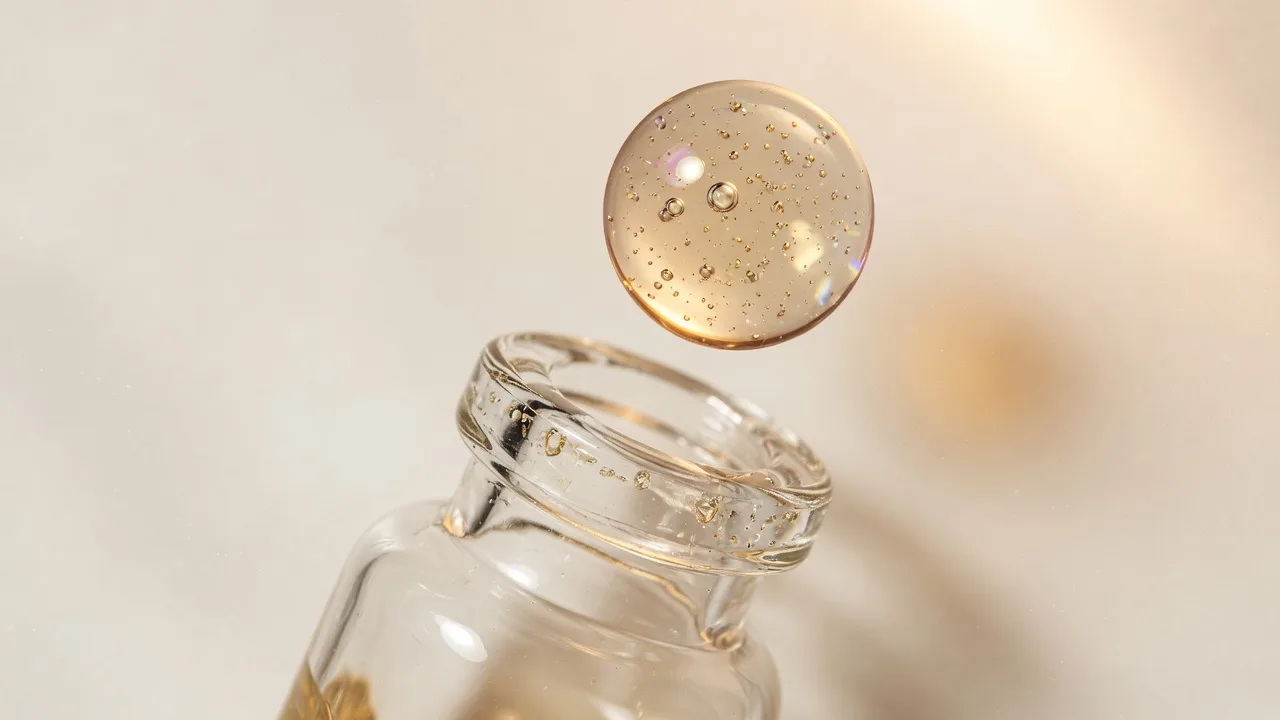
There is a new protagonist in the conversation about regenerative aesthetics: exosomes. They are microscopic vesicles —tiny packets of information that cells use to communicate— loaded with growth factors, proteins, and signaling material.
Why so much interest?
Because they act as messengers: when applied to the skin or scalp (usually combined with microneedling to improve their penetration), they deliver those signals directly to the cells that need them, stimulating repair, collagen production, and, in the case of hair, follicle activity.
Skin and hair
On the face, exosomes are used to improve texture, radiance, and recovery after procedures such as microneedling or laser: the skin calms down sooner and responds better. On the scalp, early studies suggest that combining exosomes with microneedling boosts follicular stimulation beyond what PRP alone achieves — which is why they are being integrated into hair loss management protocols.
Do they replace PRP?
Not necessarily: they complement each other. Platelet-rich plasma provides your own growth factors; exosomes add more concentrated and standardized signaling. The right combination depends on each patient, and that is defined during a medical assessment.
Our vision
The aesthetics of the future is not about transforming faces, but about restoring the tissues' ability to repair themselves. Exosomes are a powerful tool within that philosophy — always with certified-quality products and in medical hands.